Rejection Sensitivity and How It Shuts Down Verbal Risk-Taking
Repeated low-stakes speaking practice can retrain your brain's threat response to rejection.
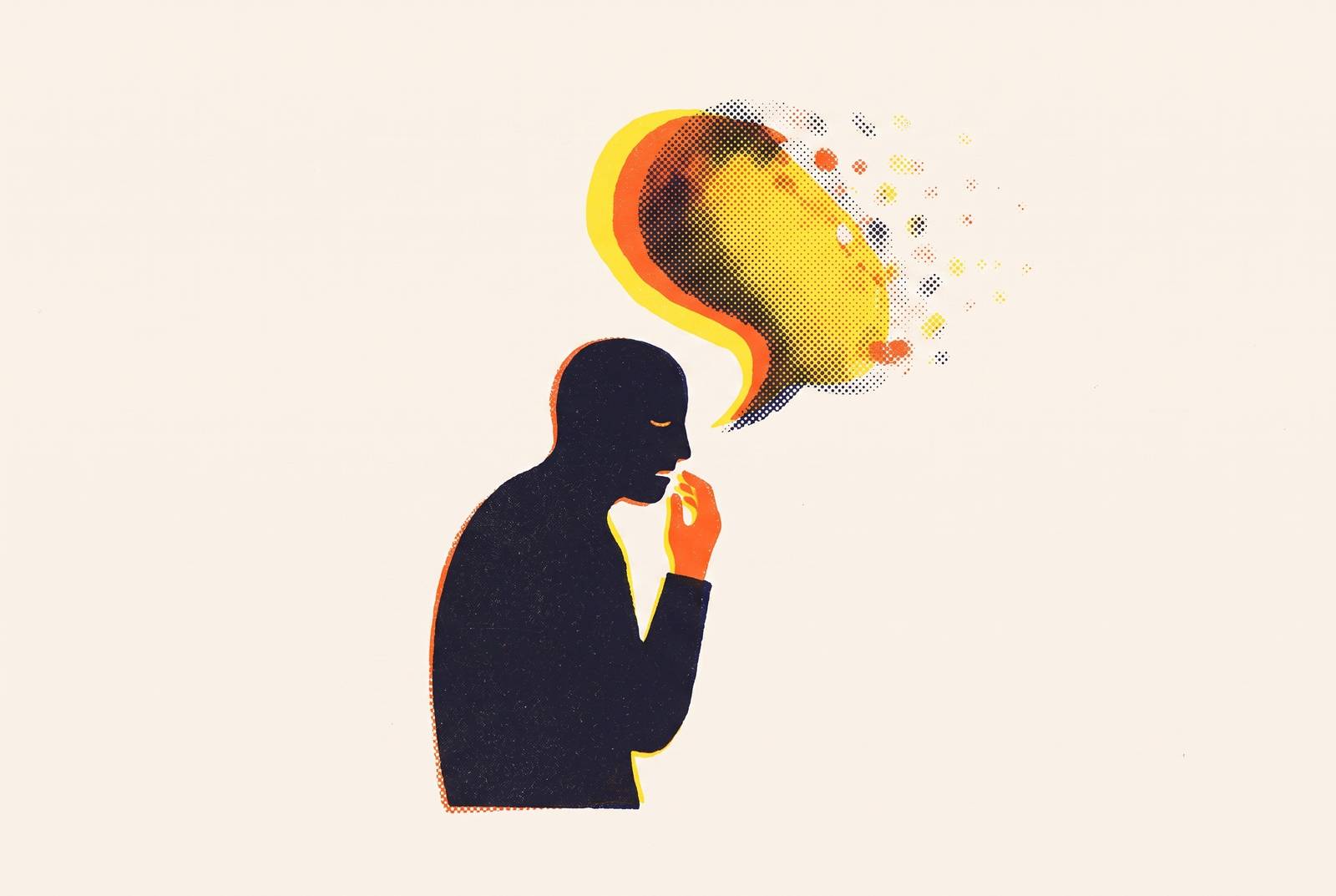
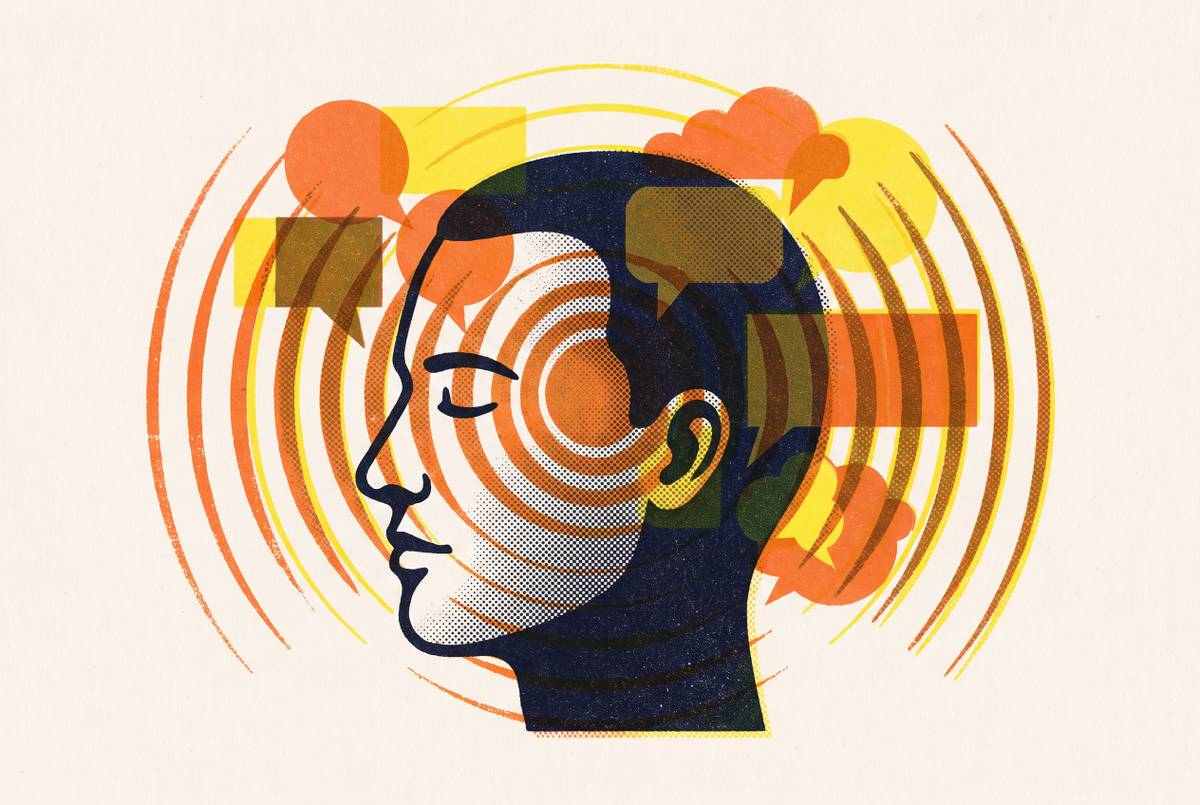
Rejection sensitivity can stop you from taking a risk by speaking before a word leaves your mouth. An opinion, joke, or question starts to feel like a way to get hurt. The way out begins with understanding that threat response, then giving it different evidence through deliberate, repeated, low-stakes speaking practice. The task is not to become a different person, but to train a different response.
What rejection sensitivity actually is, and why "oversensitive" misses the point
You have something to say, but the prospect of a cool response makes staying quiet feel sensible. A neutral reaction seems to confirm the danger, and the feeling lasts long after the exchange. The alarm precedes any clear sign of rejection. Downey and Feldman (1996) described this three-part pattern as anxiously expecting rejection, readily perceiving it, and reacting strongly. All three belong to the definition, which describes more than being easily upset.
Calling someone “oversensitive” collapses that sequence into a character judgment. It notices the reaction while ignoring the expectation and interpretation that came before it. Yet those earlier stages explain why a mild social signal can produce such a forceful response. The brain is running a protection program. It helps more to understand that program than to argue over whether someone should have felt hurt.
A May 2025 study in Cognitive Therapy and Research complicates the picture by distinguishing rejection concern from rejection expectancy. Concern is anxiety about rejection, while expectancy is the belief that it will happen. Those are not interchangeable starting points for advice. The study links concern more strongly to anxiety and depression through repetitive negative thinking, while expectancy relates more directly to mental well-being, especially diminished positive affect.
Why the brain treats a risky remark the same way it treats physical pain
The anterior cingulate cortex, a part of the brain that is active during physical pain, is also active during social exclusion. That overlap reframes the person who goes silent in a meeting. Withdrawal can be pain-avoidance. That overlap helps explain why speaking can feel dangerous.
Early experience helps calibrate that alarm system. Insecure attachment, harsh criticism, bullying, or trauma can prime the amygdala’s threat detection to respond to mild social signals. What looks excessive in a present conversation may reflect protection learned in a genuinely threatening earlier environment. The setting changed, but the expectation did not. A response that once made sense can therefore restrict speech when the immediate risk is much lower.
Van Asselt et al. (2025) found that autistic adults said rejection sensitivity hurt physically, with tension, bodily pain, and the pain of past rejections felt again in the present. These accounts help explain why simply deciding not to care can be inadequate. The discomfort is not confined to an opinion about oneself. If experience helps set how sensitive the alarm is, experience may also help change it.
How rejection sensitivity converts every spoken word into a potential threat
A spoken contribution is a social bid. A question can be dismissed, an opinion challenged, a joke ignored, and a story met without interest. For someone who expects rejection, any of these outcomes gives the threat system a reason to step in. The danger lies in letting another person respond to what they plan to say, which makes even an ordinary contribution feel exposed.
Expecting that response can lead to withdrawal, masking, or bodily shutdown. Withdrawal removes the contribution altogether, while masking preserves apparent normalcy even as the person retreats internally. Bodily shutdown makes it feel physically hard or impossible to speak. These responses can look quite different from outside. Yet each can hold someone back from taking risks when they speak because they are trying to get through the exchange.
Sandland (2025), writing in Neurodiversity, reported participants’ descriptions of a “spiral of shame” and “shame doom.” The latter describes feeling that shame is on its way before the next chance to speak has even come. The May study identifies repetitive negative thinking as a pathway from rejection sensitivity to poorer mental health. In verbal terms, the last bad exchange keeps rehearsing itself. It supplies a threatening preview of the next one.
Masking makes that cycle especially hard to interrupt because others may see no discomfort to respond to. Reassurance never arrives, and the expectation stays unchallenged. Silence also removes opportunities to discover that a contribution might be received without rejection. The protection becomes a self-sealing system. Its apparent success rests on avoiding the very experience that could show whether the danger was overestimated.
Why this pattern is especially visible in Gen Z's workplace and social behavior
For the youngest generation of workers, routine verbal interactions can arrive with substantial anxiety attached. Digital-first communication offers one reason this pattern has found fertile conditions. Growing up with fewer face-to-face verbal repetitions means less practice during the years when threat responses are being calibrated. Live conversation asks for tolerance of exposure that digital communication has not always required them to develop.
Elballah and Alsayed (2025), in Frontiers in Education, examined rejection sensitivity in inclusive primary schools and discussed its social and mental health consequences. Prior research cited in their study distinguishes anxious expectations, which predict increased social anxiety and withdrawal, from angry expectations, which predict increased aggression. That distinction prevents a simplistic picture of rejection sensitivity. The classroom research offers context for understanding withdrawal, although it is not itself evidence about an entire workforce.
At work, fear of seeming too eager can add to the fear of rejection. Some 31% of Gen Z workers fear being labeled a “tryhard” by colleagues. An unexpected question or genuine disagreement can therefore seem to risk both a poor response and a judgment about the act of contributing. Even visible effort becomes a social gamble. That is a particularly awkward rule for people trying to establish themselves professionally.
Only a minority of Gen Z employees feel comfortable sharing ideas at work, compared with a larger share of millennials. This gap shows the conditions in which verbal inhibition has a cost. Ideas that stay unspoken cannot make their authors visible. For younger workers, that limits opportunities to demonstrate what they know precisely when their professional standing is still taking shape.
What the research gets wrong: RSD is shaped by environment, not just wiring
The neurological explanation becomes less useful when it turns into a claim of permanence. Popular accounts of Rejection Sensitive Dysphoria, especially its association with ADHD and autism, can make the experience sound like an unavoidable feature of a person’s brain. That conclusion goes beyond the available science. Cleveland Clinic notes that RSD is not an officially recognized medical condition and that its research base remains limited. Strong accounts of suffering do not amount to a settled explanation of every cause.
Sandland challenges the idea that RSD is an inevitable part of being neurodivergent. Other people and institutions, including schools, can cause, trigger, and sustain the experiences described under that label. Placing the entire explanation inside the individual obscures those conditions. The neurological component is not thereby dismissed. Rather, the account becomes more complete when it includes what a person has repeatedly encountered.
Van Asselt and colleagues found a similar mix of causes among autistic participants, who pointed both to traits they were born with and to rejection throughout their lives. The interaction is the important part. A sensitive threat system and an environment that repeatedly provokes it need not be competing explanations. This also changes the practical implication, because a different environment can provide different evidence. Repeated, lower-stakes verbal exposure offers a route toward recalibration.
Why verbal fluency doesn't fail you because you lack the words
Going blank can feel like discovering, in public, that you have nothing to contribute. But anxiety can reduce working memory, processing speed, and retrieval even when knowledge is intact. An intelligent, prepared person can therefore lose access to an idea at exactly the moment they need to express it.
Then the conversation ends, and the sentence returns. The words were difficult to reach while the threat system was active. More content preparation alone cannot fully address a problem whose bottleneck is access.
The lesson for practice design is to reduce the threat level enough for fluency to emerge. That is not coddling, because practice that keeps stakes artificially high can preserve the response it is supposed to change. Settings where people talk to each other can bring on more social anxiety while also giving them the best chances to build fluency.
How repeated short verbal reps override the threat response over time
Repeated exposure works on the same learning system that made silence feel protective. Avoidance leaves the expectation of danger largely untested, while manageable speaking experiences can build familiarity and weaken the fear response. As the alarm quiets, language has more room. The threat system needs to encounter speech often enough that each attempt no longer looks like an exceptional hazard.
Frequency is the critical design feature. Practice runs of under a minute, revisited across sessions, favor the accumulation of clarity and confidence over an extended rehearsal that is never repeated. A long session can still be an isolated event. Short repetitions make the activity familiar through return, which is the learning opportunity an occasional heroic performance cannot supply on its own.
Speak’s 2025 account of learner activity illustrates this accumulation principle. Learners returned to short, real-world conversational prompts, with a quick catch-up scenario becoming the most-repeated lesson and being practiced millions of times. The example’s relevance to rejection sensitivity is limited to repeated engagement with a common verbal moment. Its relevance is narrower and useful. Everyday exchanges give people enough to keep practicing without having to put on a big performance each time.
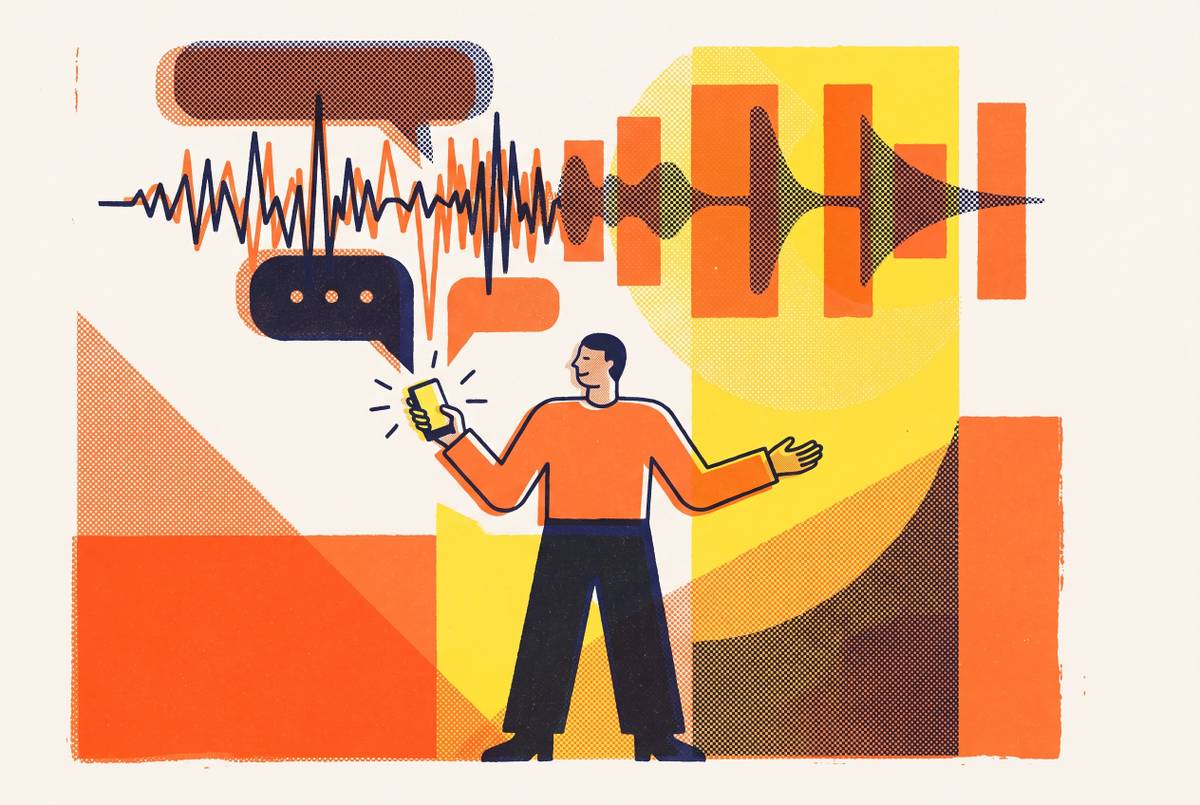
A practical starting point is a single daily prompt, recorded and scored, then reviewed and repeated. This creates a compact feedback loop in which speaking happens, produces something concrete to assess, and becomes available for another attempt. The design works on the same principle as graduated exposure in clinical anxiety treatment, though an app exercise and treatment are different things. The dose stays small enough to repeat. Over time, that repetition can train fluency while supplying evidence against the assumption that speaking itself is dangerous.
What actually changes when someone starts treating verbal risk-taking as a daily practice
Improvement changes the evidence the threat system draws on when a speaking opportunity appears. A question can become something to ask rather than something to rehearse silently until the moment disappears. An opinion can reach the conversation before its possible reception consumes all available attention.
Creative and performance education offers a preview of what structured exposure can support. Young people who studied drama, music, or dance reported feeling work-ready at a substantially higher rate than those without that background. That comparison leaves open the role of rejection sensitivity and whether any one thing caused the difference. Repeated performance gives exposure a regular place in learning rather than reserving it for moments when the stakes are already high.
The professional payoff extends beyond feeling comfortable. Strong verbal communication skills are associated with faster promotion and movement into more senior roles, so the gap between contributing and staying quiet can compound over time. Commanding a room, a camera, or a conversation creates opportunities to turn knowledge into outcomes. Fluency is therefore a trainable competitive skill.
For someone ready to train that skill, the starting point is smaller than a course, a workshop, or a resolution to “speak up more.” It is one recorded response, scored, reviewed, and repeated. The next attempt has a job to do. It turns feedback into practice and gives the threat system another encounter with manageable verbal risk.
Sources
- ‘Feeling constantly kicked down’: A qualitative phenomenological study exploring rejection sensitivity in autistic adults - Alvin van Asselt, Yvette Roke, Sander M Begeer, Anke M Scheeren, 2025
- Neurodivergent Experiences of Rejection Sensitive Dysphoria Expose the Environmental Factors too Often Overlooked - Barbara Sandland, 2025
- Frontiers in Education 01 frontiersin.org Teachers’ perceptions of rejection
- Repetitive Negative Thinking as a Pathway from Rejection Sensitivity to Poorer Mental Health: The Role of Expectancy Versus Concern
- Rejection Sensitivity Dysphoria: The Actual Research