First Date Conversation Habits That Build Immediate Attraction
Questions that invite stories and genuine listening matter far more than the restaurant you choose.

First-date attraction is not simply mysterious chemistry that either arrives or stays home. It grows through specific conversation habits, including questions that invite stories, genuine listening, reciprocal openness and clear signals of interest. Those habits cannot guarantee a match, but they give you something more useful than the perfect venue to work on. They are skills you can practice.
Why location anxiety is a distraction from what actually drives first-date attraction
A 2025 study published in Collabra compared pairs meeting in a comfortable venue with pairs meeting somewhere deliberately unappealing. Both groups grew genuinely close and said they still felt fond of each other a month later. The setting produced no meaningful difference in attraction outcomes. The surroundings were not doing the decisive work.
That finding calls into question the familiar worry before a date over whether a place will impress, feel new or be romantic enough. Comfort can still matter, and some settings suit some people better than others. It means that optimizing the backdrop is not a substitute for engaging with whoever sits across from you. Even great lighting cannot listen for you.
Redirect that preparation toward how you participate. Choosing a venue is a decision you make before the date, while conversation is something you build together throughout it. If the setting does not move the needle as expected, the more useful variable is your conversational skill set.
Why most people's default conversation mode actively suppresses attraction
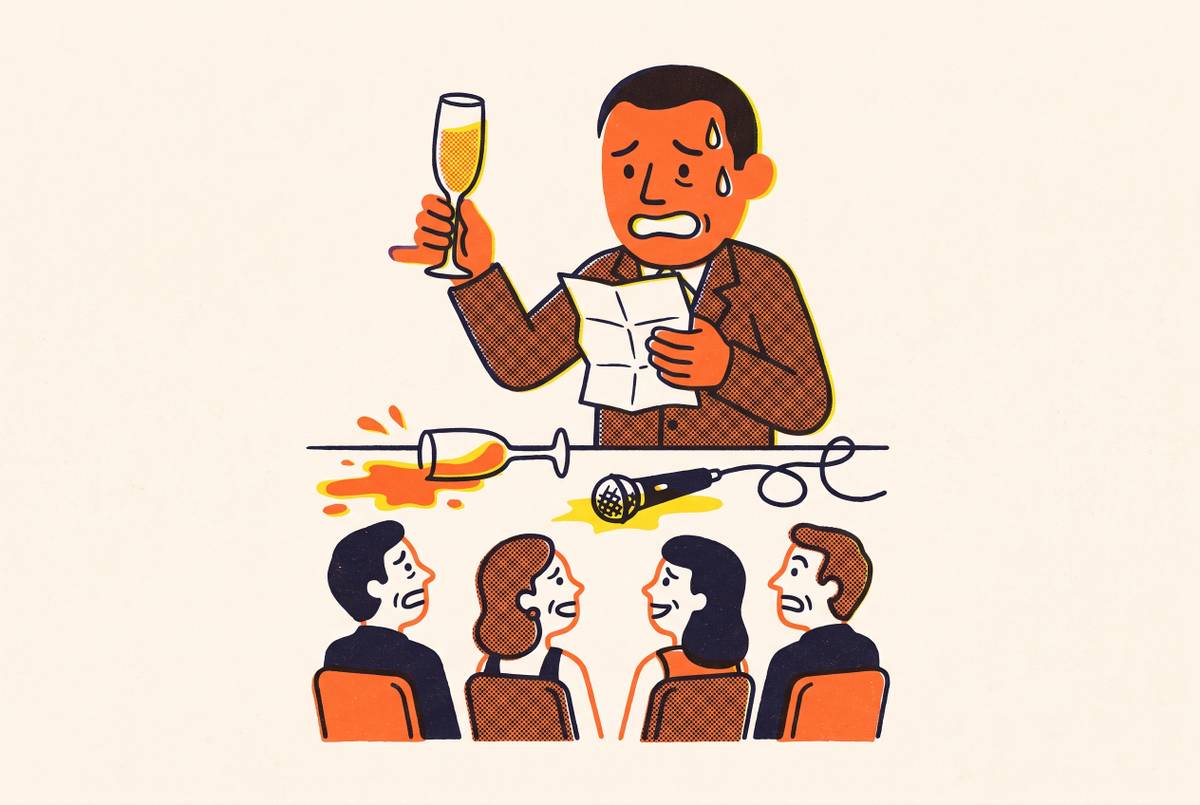
Anxiety can turn a date into an audition. You want to be liked, so you present your achievements, prepare impressive answers and avoid anything that might expose a difference of opinion. These are understandable defenses against rejection. Yet they direct attention toward your own performance.
Self-promotion is the clearest example of this reversal. A polished account of your accomplishments gives the other person information, but little room to participate beyond nodding. Making approval the organizing purpose of the exchange turns the other person into an audience.
Interview-mode questions can also keep people at a distance. “What do you do?” and “Where are you from?” can establish basic context, but a succession of them invites short factual answers. The conversation has a filing system, but no momentum. Meanwhile, steering clear of anything personal keeps the conversation stuck on those facts.
Politics early can create division before connection has formed, while questions about how many dates someone has had or how long they have used apps invite comparison. You need enough openness to discover a person.
How questions that invite stories shift the emotional temperature of a conversation
To move beyond interview mode, ask questions whose answers require more than retrieving a fact. “What's the best present you ever gave someone?” invites a memory while revealing how a person thinks about others. “What sort of vacations do you like to take?” can open into positive experiences and dream destinations. Neither question has to sound dazzling to work.
Their value lies in the response they invite. A story gives someone room to choose details, explain what they like and share what an experience meant to them. “Anything surprising happen today?” offers a lower-stakes version of the same invitation. It asks for something particular without demanding immediate intimacy.
Psychologist Arthur Aron's research, published in the Personality and Social Psychology Bulletin, found that sharing progressively personal information increases feelings of closeness. The “36 questions” study rests on that movement from surface information toward self-disclosure.
What should guide the next question, then? Not its cleverness, but the kind of answer it makes available. Questions about positive memories or aspirations give the other person something to explore, whereas requests for biographical data can end as soon as the fact is supplied. The distinction is between opening a subject and completing a field.
Why active listening is the habit that separates conversation from performance
A story-inviting question only helps if you receive the story. Planning your next line throughout the answer preserves the appearance of conversation while removing its central exchange. The question opens the door. Listening means walking through it.
In practice, listening means following something interesting in the answer rather than returning automatically to a prepared topic. If the answer reveals an unexpected preference or a meaningful memory, that detail offers a direction. You do not have to recover the original route. A conversation that develops from what both people actually say has room for discovery.
That responsiveness is also a signal of interest. When someone feels heard, the experience can become a judgment about the listener. There is a difference between a person who asks good questions and a person who seems to understand the answers. The latter requires attention that continues after the question ends.
Forced mirroring defeats much of that purpose. Copying gestures to manufacture rapport replaces attention with another task to perform, and can feel unsettling. Genuine synchrony does not need choreography.
How mutual self-disclosure builds closeness faster than surface-level rapport
Someone who asks thoughtful questions but reveals nothing can leave the other person curious, or wary about why the openness travels in only one direction. Aron's research concerns mutual self-disclosure. Both people need opportunities to become known.
For your part, that can mean expressing an actual opinion. It can also mean sharing a past experience that includes difficulty or uncertainty. A genuine story has room for imperfection. That gives the other person more to respond to than a credential or a conclusion.
Disagreement belongs within this kind of openness, provided it is not combative. Avoiding divisive topics at the outset does not require pretending that you share every preference or interpretation. The distinction is between offering your perspective and trying to defeat theirs. A separate point of view shows that there is a complete person on your side of the table.
But when does vulnerability become oversharing? A useful criterion is whether the disclosure invites the other person further in or shifts emotional weight onto them. Mentioning an ex is a clear risk because past relationships can surface negative feelings for both people. The aim is progressively personal exchange.
Stories support that exchange because they make experience more memorable than facts alone. Yet their usefulness does not depend on telling the most dramatic story available. What counts is giving the other person enough of your perspective to understand the experience, while leaving room for theirs.
How compliments work as direct attraction signals — and why teasing backfires
A genuine, specific compliment makes interest less ambiguous. It also demonstrates attention when it recognizes something particular about the person. This is where listening becomes visible in your words. You have noticed something, and you are willing to say so.
The research requires more care than a simple “compliments work, teasing fails” formula. Hall & Xing (2015) found that flirting styles differed, with physical flirts giving fewer compliments when attracted and traditional females showing attraction through gentle teasing. Those findings do not establish a universal behavioral code. Neither the presence of teasing nor the number of compliments reliably settles the question of interest.
Teasing can leave someone off-balance when it substitutes for an unmistakably warm response. A specific compliment communicates appreciation more directly. Its strength is sincerity.
What body language is doing to your conversation before and during it
Your body participates in all of these exchanges. Open posture and attentive eye contact can reinforce interest, while tension or a closed stance can work against warm words. Your body conveys how available you seem to engage.
Facing the other person, with shoulders back and arms uncrossed, supports that availability before you speak. Eye contact with a natural smile also shows that you are paying attention. The distinction is between contact and pressure. Holding someone’s gaze can help build intimacy, but staring can make eye contact uncomfortable.
Leaning slightly forward while listening can reinforce the sense that an answer has your attention. Constantly leaning in, however, can crowd the exchange. The same principle applies to movement. Slow, deliberate gestures convey calm more readily than fidgeting or hurried motions, but the aim is not to become motionless.
How much of this should you consciously manage? Enough to recognize when your posture contradicts your intention, without turning the date into a full-body inspection. A performed smile or mechanically copied gesture returns you to the approval trap. Nonverbal habits help when they support genuine attention.
Why Gen Z and millennials arrive at first dates already behind on verbal fluency — and what that gap creates
Knowing these habits is different from deploying them in real time. Constant digital communication does not necessarily provide practice in receiving an unexpected answer, following it aloud and sharing something personal without a pause to compose. The gap is between familiarity with communication and fluency in this particular form. Frequent contact is not automatically conversational rehearsal.
Hinge's 2025 D.A.T.E. Report found that Gen Z daters want deeper connections but struggle to start the conversations that build them. It also found that 67% of Gen Z Hinge daters want to build romantic connections without relying on alcohol as a social lubricant. That preference brings the underlying skill gap into focus. Wanting to be sober and present does not, by itself, make spontaneous conversation feel easy.
The findings describe Gen Z Hinge daters. Even so, they identify a useful tension between the connection people seek and their confidence in creating it. Dating-app burnout among Gen Z and millennial daters adds to that context. Exhaustion with app-based exchanges makes a genuinely engaging in-person conversation more valuable.
You can develop a skill that people want to experience but can find difficult to initiate. A person who can listen, invite stories and reciprocate has something useful to contribute to that gap.
Why these habits are trainable and how daily practice builds them faster than one-off prep
The route from understanding to fluency is deliberate repetition. Question design, listening, reciprocal disclosure and attentive nonverbal behavior are competencies people can develop regardless of how naturally outgoing they are. Confidence can grow through exposure and feedback. Reading the technique is the beginning.
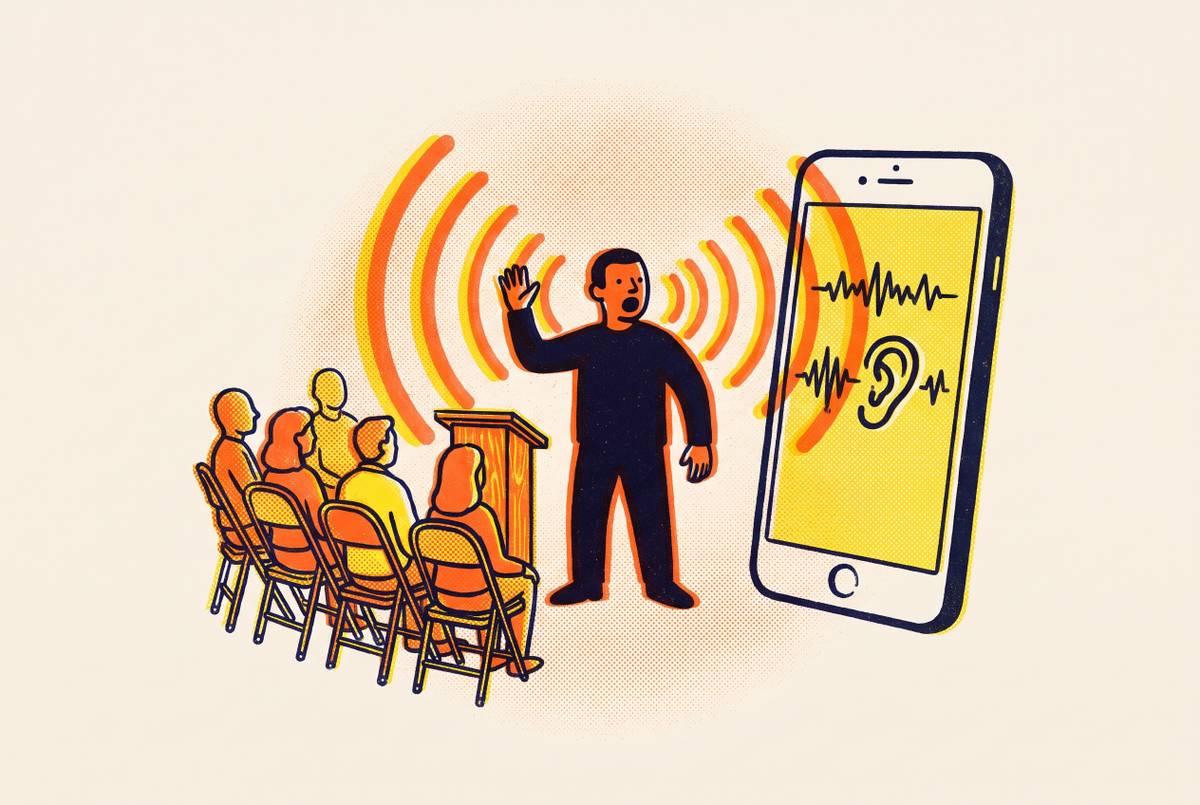
Daily short-form practice gives you opportunities to isolate one behavior at a time. You might work on asking a story-inviting question, following an interesting detail or sharing a genuine experience. Feedback helps you see what worked when you tried it. Repetition then makes that behavior less dependent on remembering instructions during a consequential exchange.
An AGATHOS paper involving business students at Alexandru Ioan Cuza University reported that storytelling boosted confidence when speaking before peers. That gives some support for practicing how to express oneself, but it cannot promise less anxiety or success in dating. The distinction is useful. Practice can improve your ability to participate without controlling how another person will respond.
Occasional intensive preparation places a different demand on you. It asks you to learn a technique and retrieve it during a date that may already feel high-stakes. Daily practice instead gives the technique a history of use. Like a physical skill, conversational competence needs realistic repetition before it can run with less conscious effort.
The goal is to arrive with enough fluency that an unexpected answer becomes an opening. When that happens, preparation has done its job and can recede. Your attention is free for the person in front of you.